

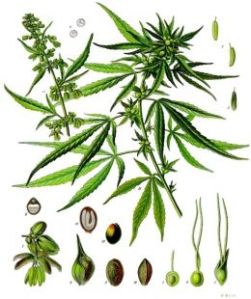
 because they mistakenly think hemp is the same thing as marijuana. It’s not; even though they are both members of the plant species cannabis sativa and bear an uncanny resemblance. Actually, the psychoactive properties in marijuana come from the THC (tetrahydrocannabinol) found in the flower of the plant.
A Missouri campaign to place a marijuana legalization initiative on the November ballot has entered the signature-gathering phase, and petition-toting volunteers across the Show Me state are hunting for registered voters as the campaign looks for funds to help it get over the top. The effort is off to an enthusiastic start.
 "Nearly 500 trained petitioners have now hit the streets," said campaign director and Kansas City area coordinator Amber Langston. "I'm happily overwhelmed with the enormous response we've received since launching our initiative."
The campaign is called Show-Me Cannabis Regulation (SMCR), and was put together by attorney Dan Viets, a long-time marijuana reformer and a member of the national NORML Legal Committee and board of directors, Missouri NORML chapters, and other marijuana legalization advocates and supporters.
The initiative, a constitutional amendment, calls for marijuana legalization for persons 21 and over, a process for licensing marijuana production and sales establishments, and allows the legislature to enact a tax of $100 a pound on retail sales. It also includes a provision lifting criminal justice system sanctions against people imprisoned or under state supervision for nonviolent marijuana offenses that would no longer be illegal and the expunging of all criminal records for such offenses. The initiatives would also allow for the use of marijuana for medical reasons by minors (with parental consent).
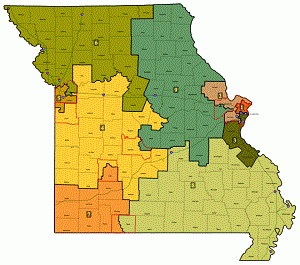
Petitioners must obtain the signatures of a number of registered voters equal to 8% of the total votes cast in the 2008 governor's race from six of the state's nine congressional districts. The campaign said that comes out to about 144,000 valid signatures, which means it needs to collect 200,000 or more to have a reasonable margin of comfort. Signatures must be turned in by May 6.
"We just started training volunteers in December, and we've been hitting it hard for the last three weeks," said St. Louis-area campaign coordinator John Payne. "We've gathered about 10,000 signatures already, and we're confident we're on pace to meet our targets," he added.
"It's an all-volunteer effort at this point," but SMCR doesn't intend for it to stay that way, said Payne. "We think we can get this on the ballot for a half a million dollars or so, and then, it's just a matter of getting the right message across."
The campaign doesn't yet have any state-level polling to bolster its case, but plans to do so shortly. In the meantime, it points to last October's Gallup poll, which showed, for the first time in history, a majority of Americans support legalizing cannabis for personal use with 50% in favor nationwide and 54% in the Midwest.
"We've raised a few thousand dollars already and have some funders who will hopefully be putting a fairly large sum of money in our account," Payne said. "We've been operating on a shoe string, but we're gearing up for more. We have an established campaign and a lot to show for what we've done so far on the cheap. If there are any donors out there looking for a good place to invest, they should take a look at us."
The campaign reports no sign of organized opposition at this point, but is casting a wary eye on one of the state's bigger economic interests: the beer brewers.
"We know the beer lobby put up money against Proposition 19. If we see any organized opposition, we expect it to come from the brewers," Payne said. "But if Bud and Busch get involved, we think most people will see through that as self-interested."
The campaign is also keeping an eye on the Missouri Narcotics Officers Association, whose Jason Grellner seems to be the go-to guy on drug issues for the media, including the initiative campaign, said Payne. But maybe law enforcement opposition can be blunted, he suggested.
"Our most effective argument has been the public safety argument -- every minute a police officer spends arresting someone for smoking a joint is a minute not spent on rape or murder or armed robbery," said Payne. "We need to focus our law enforcement resources on more important things; lots of people get that, even if they're not sympathetic."
Economic arguments are also part of the arsenal, Payne said.
"This is a state where we've repeatedly had to cut the budget because of tax shortfalls, and we can show we could be saving about $100 million a year," he explained, citing economist Jeffrey Miron's report on the budgetary implications of prohibition for the states. "That resonates."
Then there are potential tax revenues. A $100 a pound tax on retail sales could generate not insignificant funds for the state, but some consumers grumble a bit at the prospect, Payne said.
"The potential revenues are a selling point for some people," he said; "for others, it's a bit of a turnoff, but they don't not sign the petitions."
SMCR and its army of volunteers has 14 weeks to get the job done, or to snare major funding to ensure the job gets done. But there's some serious competition for big donor dollars out there. Legalization initiatives in Colorado and Washington have already handed in enough signatures to appear set to make the ballot, and there are also legalization initiative campaigns in California, Michigan, and Oregon, as well as a new California medical marijuana initiative.
Can Show-Me Cannabis Regulation show the rest of us how to get it done? Stay tuned.
The campaign is called Show-Me Cannabis Regulation (SMCR), and was put together by attorney Dan Viets, a long-time marijuana reformer and a member of the national NORML Legal Committee and board of directors, Missouri NORML chapters, and other marijuana legalization advocates and supporters.
The initiative, a constitutional amendment, calls for marijuana legalization for persons 21 and over, a process for licensing marijuana production and sales establishments, and allows the legislature to enact a tax of $100 a pound on retail sales. It also includes a provision lifting criminal justice system sanctions against people imprisoned or under state supervision for nonviolent marijuana offenses that would no longer be illegal and the expunging of all criminal records for such offenses. The initiatives would also allow for the use of marijuana for medical reasons by minors (with parental consent).
Petitioners must obtain the signatures of a number of registered voters equal to 8% of the total votes cast in the 2008 governor's race from six of the state's nine congressional districts. The campaign said that comes out to about 144,000 valid signatures, which means it needs to collect 200,000 or more to have a reasonable margin of comfort. Signatures must be turned in by May 6.
"We just started training volunteers in December, and we've been hitting it hard for the last three weeks," said St. Louis-area campaign coordinator John Payne. "We've gathered about 10,000 signatures already, and we're confident we're on pace to meet our targets," he added.
"It's an all-volunteer effort at this point," but SMCR doesn't intend for it to stay that way, said Payne. "We think we can get this on the ballot for a half a million dollars or so, and then, it's just a matter of getting the right message across."
The campaign doesn't yet have any state-level polling to bolster its case, but plans to do so shortly. In the meantime, it points to last October's Gallup poll, which showed, for the first time in history, a majority of Americans support legalizing cannabis for personal use with 50% in favor nationwide and 54% in the Midwest.
"We've raised a few thousand dollars already and have some funders who will hopefully be putting a fairly large sum of money in our account," Payne said. "We've been operating on a shoe string, but we're gearing up for more. We have an established campaign and a lot to show for what we've done so far on the cheap. If there are any donors out there looking for a good place to invest, they should take a look at us."
The campaign reports no sign of organized opposition at this point, but is casting a wary eye on one of the state's bigger economic interests: the beer brewers.
"We know the beer lobby put up money against Proposition 19. If we see any organized opposition, we expect it to come from the brewers," Payne said. "But if Bud and Busch get involved, we think most people will see through that as self-interested."
The campaign is also keeping an eye on the Missouri Narcotics Officers Association, whose Jason Grellner seems to be the go-to guy on drug issues for the media, including the initiative campaign, said Payne. But maybe law enforcement opposition can be blunted, he suggested.
"Our most effective argument has been the public safety argument -- every minute a police officer spends arresting someone for smoking a joint is a minute not spent on rape or murder or armed robbery," said Payne. "We need to focus our law enforcement resources on more important things; lots of people get that, even if they're not sympathetic."
Economic arguments are also part of the arsenal, Payne said.
"This is a state where we've repeatedly had to cut the budget because of tax shortfalls, and we can show we could be saving about $100 million a year," he explained, citing economist Jeffrey Miron's report on the budgetary implications of prohibition for the states. "That resonates."
Then there are potential tax revenues. A $100 a pound tax on retail sales could generate not insignificant funds for the state, but some consumers grumble a bit at the prospect, Payne said.
"The potential revenues are a selling point for some people," he said; "for others, it's a bit of a turnoff, but they don't not sign the petitions."
SMCR and its army of volunteers has 14 weeks to get the job done, or to snare major funding to ensure the job gets done. But there's some serious competition for big donor dollars out there. Legalization initiatives in Colorado and Washington have already handed in enough signatures to appear set to make the ballot, and there are also legalization initiative campaigns in California, Michigan, and Oregon, as well as a new California medical marijuana initiative.
Can Show-Me Cannabis Regulation show the rest of us how to get it done? Stay tuned.